Thinking about calling Carmel home? Picture weekend bike rides on a tree‑lined trail, coffee on a walkable Main Street, and concerts that feel like a big‑city night out without the hassle. If you want strong amenities, an easy connection to Indianapolis, and a lively community calendar, Carmel checks a lot of boxes. In this guide, you’ll learn what daily life feels like, where people spend time, housing styles to expect, and practical things like commutes and parks. Let’s dive in.
Carmel at a glance
Carmel is a large, affluent suburb on the north side of Indianapolis with roughly 100,000 residents and a civic focus on parks, trails, and culture that shape day‑to‑day life. The city invests in public spaces, which you see in its trail network, art, and event plazas. Population and income data support that profile of a well‑resourced community with a busy local calendar and amenities you actually use. You can get a quick snapshot of the city’s size and profile on Census Reporter’s Carmel page.
- Source: Census Reporter’s Carmel profile
Walkable core: Arts & Design District
Carmel’s most walkable area centers on Main Street in the Arts & Design District. You can browse galleries and showrooms, sip coffee, and linger at sidewalk tables while public art adds character around every corner. The scale is human and friendly, with steady weekend foot traffic and frequent gallery openings.
If you want errands and dining close by, housing near Old Town and the district includes small historic homes, infill townhomes and condos, and some apartments above shops. Learn more about the district’s vibe on the city’s official page.
- Explore: Arts & Design District
City Center and performing arts
Just south of the district, City Center anchors Carmel’s arts scene. The Center for the Performing Arts includes the Palladium, the Tarkington, and the Studio Theater, with a year‑round schedule of national acts, local companies, and classes. The lawn and plaza at Carter Green host seasonal highlights like the summer farmers market, a winter ice rink, and Christkindlmarkt.
Many residents bike or stroll in on Saturday mornings. The farmers market runs seasonally with a big mix of Indiana vendors and has become a weekly ritual.
- Events: The Center for the Performing Arts
- Saturday staple: Carmel Farmers Market
Trails, biking, and parks
The Monon Trail is a defining part of daily life here. It links Carmel to Indianapolis and beyond, and it is used for everything from bike commutes to evening dog walks. The trail has a Rails‑to‑Trails Hall of Fame nod and helped shape downtown redevelopment.
Carmel Clay Parks & Recreation manages hundreds of acres of parks and popular facilities like the Monon Community Center and The Waterpark. You will also find scenic spots like Coxhall Gardens and a web of neighborhood greenways that feed into the Monon.
- Background: Rails‑to‑Trails on the Monon
- Parks and programs: Carmel Clay Parks & Recreation
Neighborhoods and homes
You will find a wide range of housing in Carmel:
- Old Town and the Arts & Design core offer smaller historic cottages, townhomes, condos, and some live‑work style units above retail.
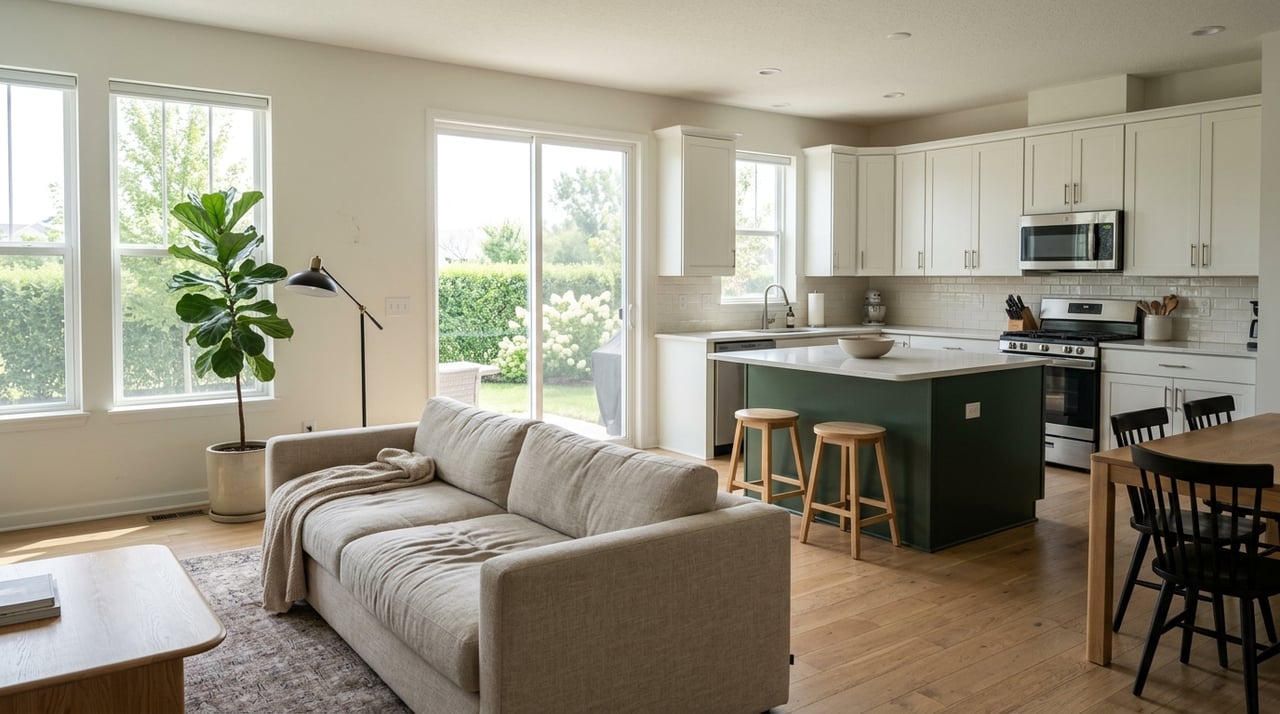
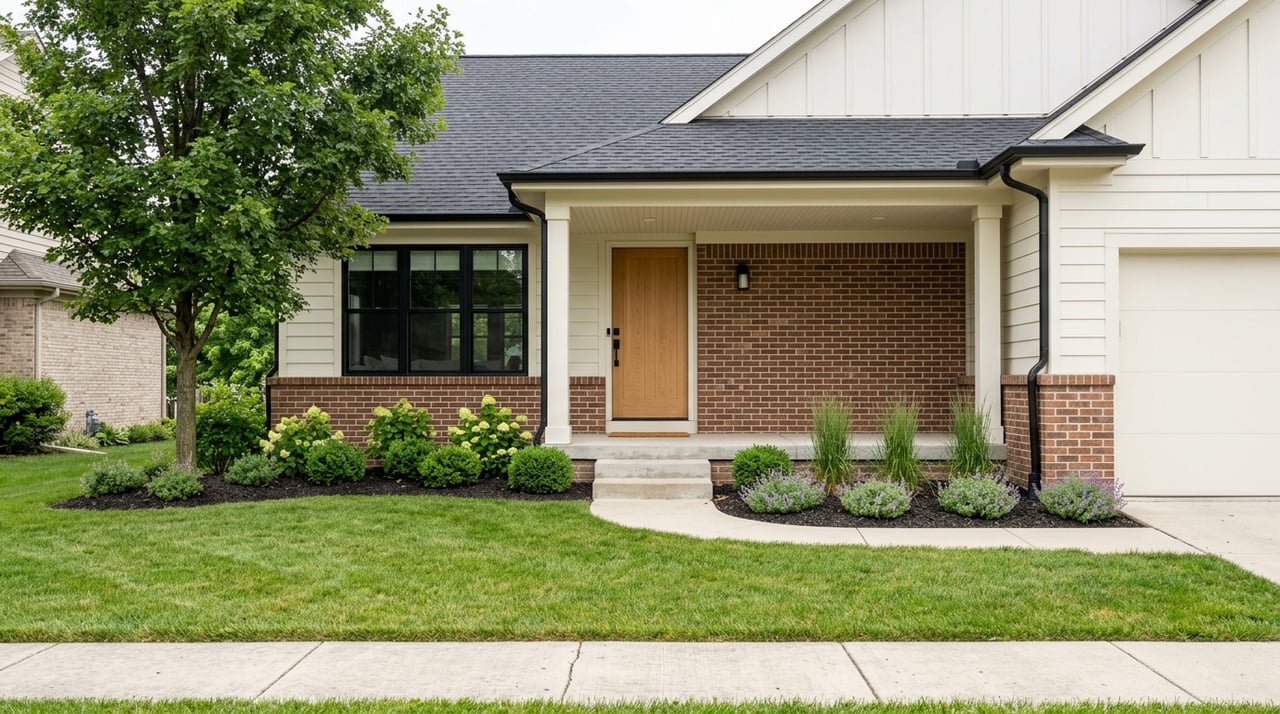
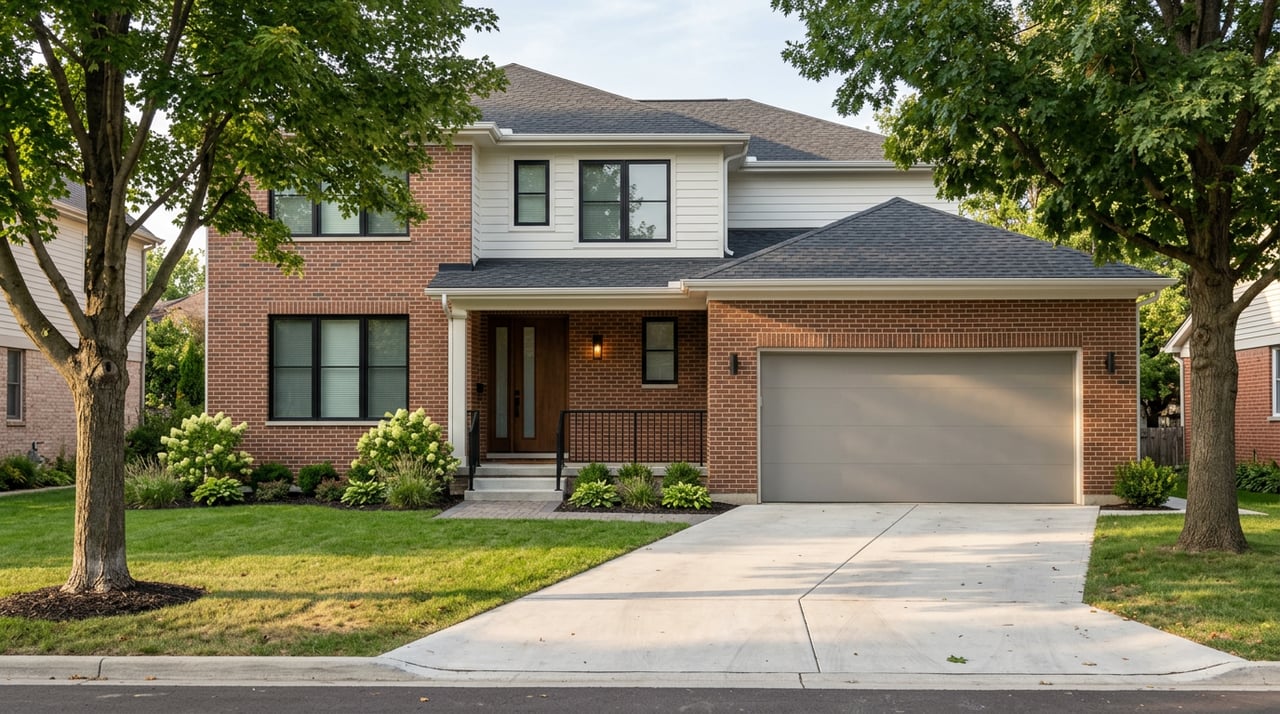
- Established suburban neighborhoods feature single‑family homes with traditional layouts and larger lots, including master‑planned areas.
- Newer multifamily and condo projects near City Center add rental and denser ownership options.
One current planning topic you may hear about is the “missing middle.” Local reporting notes an affordability gap as building has tilted toward luxury apartments and higher‑end single‑family homes. That helps explain why inventory can feel tight for moderate price points.
Getting around and commute
Carmel is primarily car‑oriented for regional travel, and many residents drive to work. That said, the Monon makes local bike trips realistic, especially between neighborhoods, the Arts & Design District, and City Center. Downtown Indianapolis is usually a 20 to 30 minute drive depending on where you start and traffic.
Carmel is also known for its extensive use of roundabouts, which are part of the city’s broader traffic‑calming and safety approach. They are a frequent talking point for residents and local profiles of the city.
- Learn more: Carmel and its roundabouts
Schools and learning
Families often cite schools, parks, and cultural amenities as top reasons to move here. Local guides frequently mention Carmel Clay Schools as a major draw, which is one reason demand stays strong. For the latest details on programs and enrollment zones, check official district resources.
- Community lens: Carmel Monthly on local amenities and schools
Health care and services
You have access to major Indianapolis‑area health systems nearby. IU Health North Hospital serves Carmel‑area patients and provides a spectrum of care, including emergency services. Many primary care and specialty practices cluster along key corridors as well.
- Nearby facility: IU Health North Hospital overview
Dining, coffee, and casual nightlife
You will find a mix of independent cafés, breakfast spots, and restaurants in the Arts & Design District and City Center. Some higher‑end dining and brewpubs round out the options. The scene changes with new openings, so plan to explore a bit and find your favorites.
- Local flavor snapshot: Carmel Monthly’s city overview
A day in Carmel
If you want a feel for the city, try this simple plan:
- Morning: Bike the Monon to the farmers market at Carter Green in season, then grab coffee and stroll Main Street galleries.
- Afternoon: Head to Central Park or The Waterpark when it is warm, or explore Coxhall Gardens for a quiet walk.
- Evening: Catch a show at the Palladium or meet friends for dinner around City Center.
Is Carmel a fit for you?
You will likely love Carmel if you value active living, reliable amenities, and an easy connection to Indianapolis. The Monon Trail, strong parks system, and year‑round events give you plenty to do without a long drive. If you want a truly walkable lifestyle, focus your search near Old Town and City Center. If you want more space and a larger lot, look to established neighborhoods a short drive or bike ride away.
On the housing side, expect a range from historic to brand‑new. Be ready for competition in moderate price points since the “missing middle” is a known gap. A targeted search and quick communication can help you win the right home.
Ready to explore homes, new construction options, or a smooth relocation plan in Carmel? Connect with Radecki Realty Group, LLC for a listening‑first strategy, fast showings, and clear next steps.
FAQs
What is daily life like in Carmel, Indiana?
- A balanced suburban lifestyle with a walkable Arts & Design District, the Monon Trail for biking and running, strong parks, and a steady calendar of concerts and community events.
Is Carmel walkable for errands and dining?
- The Arts & Design District and parts of City Center are the most walkable areas, while most neighborhoods are suburban and car‑oriented; many people use the Monon for short bike trips.
How long is the commute from Carmel to downtown Indianapolis?
- Typically 20 to 30 minutes by car depending on your starting point and traffic; local trips between the Arts District and City Center are easy by bike.
What outdoor options does Carmel offer?
- The Monon Trail connects the city to regional paths, and Carmel Clay Parks runs many parks, greenways, and facilities like the Monon Community Center and The Waterpark.
What housing types are common in Carmel?
- A mix that includes small historic homes near Old Town, townhomes and condos by the walkable core, traditional single‑family neighborhoods, and newer apartments and condos near City Center.
What annual events help define Carmel’s community feel?
- The summer Carmel Farmers Market, CarmelFest, the Carmel International Arts Festival, and the winter Christkindlmarkt and ice rink at Carter Green.
Are there hospitals near Carmel?
- Yes, major systems serve the area, including IU Health North Hospital, plus nearby primary care and specialty providers.
What should buyers know about the Carmel housing market today?
- Demand is steady, and the city is discussing ways to add more “missing middle” options; be ready with a focused search and a rapid offer strategy.