If you are trying to find a starter home or a small investment property in Lebanon, it helps to know that this market is not just one thing. You may see older homes near downtown, traditional single-family resale homes, and newer options tied to recent development. When you understand how those pieces fit together, you can make a smarter plan, avoid surprises, and focus on homes that truly match your budget and goals. Let’s dive in.
Lebanon offers more than one path
Lebanon is a growing Boone County city. The U.S. Census Bureau estimates the population at 17,608 as of July 2024, which is a 5.4% increase from the April 2020 base. That growth matters because it can shape both buyer demand and rental demand over time.
The local housing picture also has some range. Census QuickFacts reports a median value of owner-occupied homes at $195,600, while a Realtor.com April 2026 market snapshot shows a median listing price of $334,900 and a median sold price of $256,430. In plain terms, citywide averages can give you context, but current pricing still depends heavily on location, condition, and the type of home you are considering.
Realtor.com also reported 128 homes for sale and a median of 54 days on market in April 2026, describing Lebanon as a balanced market. For you, that can mean opportunity, but it also means you should compare each property carefully instead of assuming every home is priced the same way.
Starter homes in Lebanon can look very different
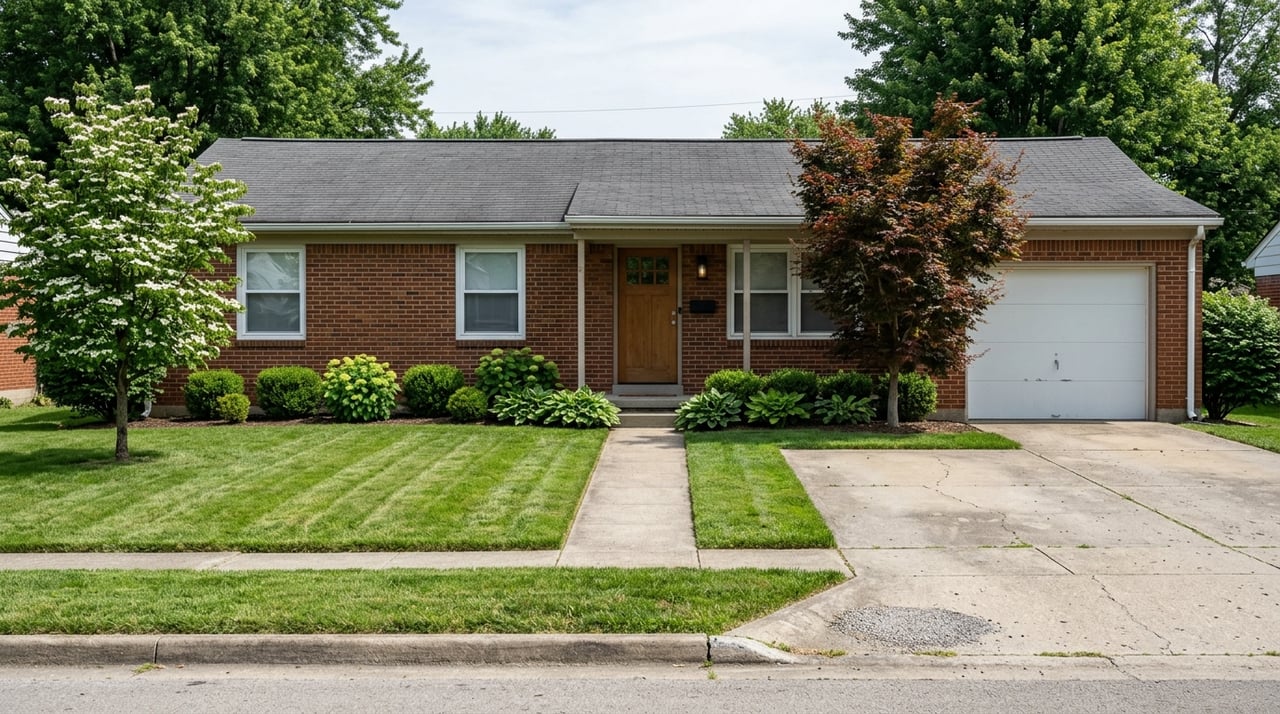
One of the biggest strengths of Lebanon is variety. City planning materials describe the older downtown area as having historic homes and older neighborhoods in a regular grid street pattern. The same planning materials also support rehabilitation, infill, and a wider range of housing choices for first-time buyers, repeat buyers, and renters.
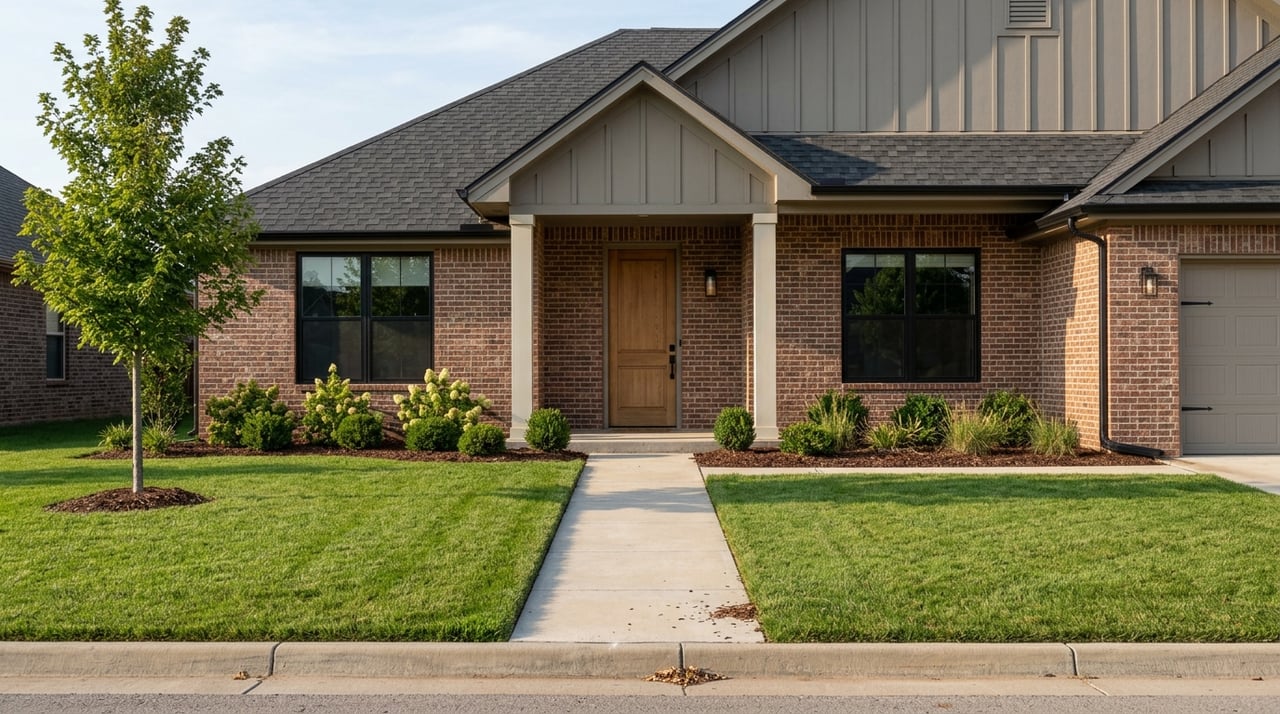
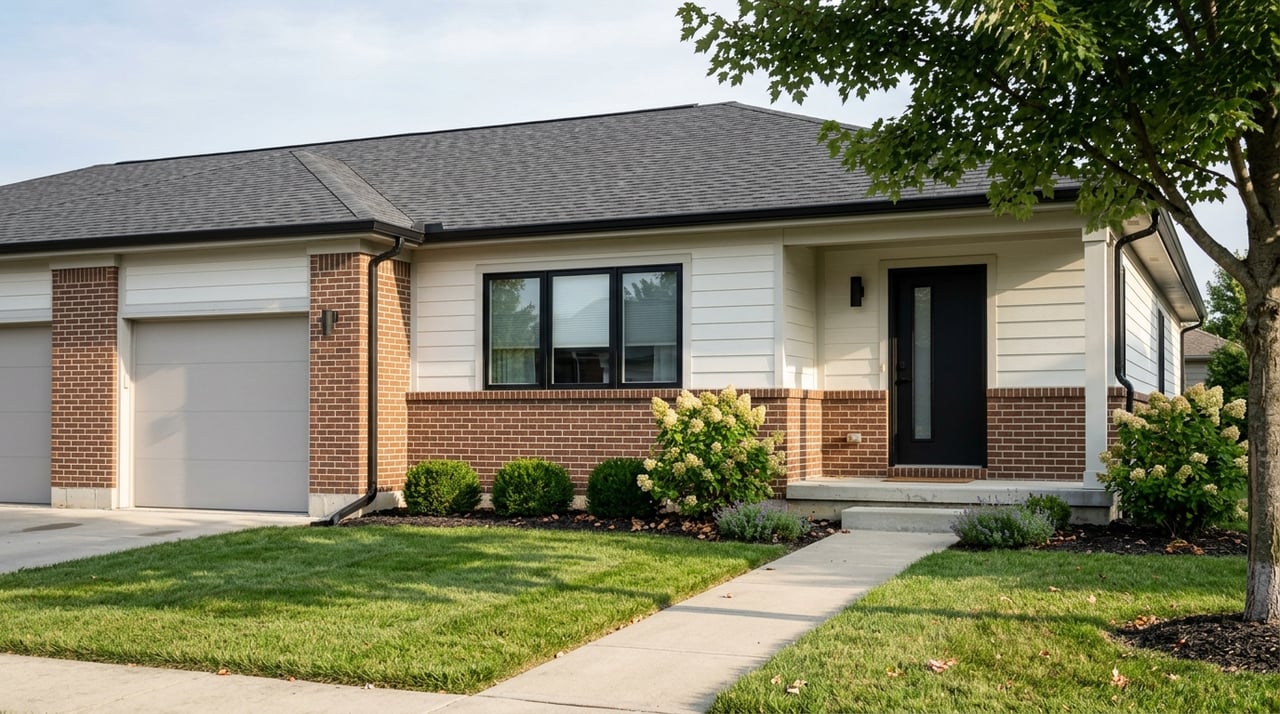
That means your starter-home search may take you in more than one direction. You may find an older resale home with character and a lower entry price, or you may prefer a newer, lower-maintenance home in a planned development. Neither option is automatically better. The right choice depends on your budget, repair tolerance, and long-term plans.
A housing snapshot cited in the research reports a median construction year of 1975, and 66.6% of housing units are detached single-family homes. That supports what many buyers see on the ground: Lebanon has a meaningful base of older resale housing, but it is not limited to one style or era.
What home types you may find
Lebanon’s zoning framework allows several residential formats, which is helpful if you are trying to keep your options open. Depending on the area, buyers may encounter:
- Detached single-family homes
- Two-family dwellings in some districts
- Attached housing in certain areas
- Small-scale multifamily options under some conditions
The city’s Unified Development Ordinance outlines how these uses fit into districts such as R1, R2, R3, and R4. For buyers and small investors, that matters because Lebanon is not only a market for large suburban-style homes. It can also include smaller-format opportunities that may better fit a starter budget or an investment strategy.
Older homes can offer value and character
If you are drawn to older parts of Lebanon, you may find homes with charm, established street patterns, and renovation potential. For some buyers, that can be the most affordable path into homeownership. For some investors, it can create room to improve a property over time.
Still, older homes often require more due diligence. Lebanon’s planning materials note that older neighborhoods may have dated infrastructure, and buyers should be ready to evaluate roofs, plumbing, electrical systems, drainage, windows, mechanicals, and cosmetic updates. These are not automatic deal-breakers, but they should be part of your budget and inspection strategy.
This is where a clear plan matters. A home that looks like a bargain up front may need near-term work that changes the real monthly cost of ownership. On the other hand, a well-maintained older home may offer more space or character than a similarly priced newer option.
Newer development is expanding your choices
Lebanon is also adding newer housing in multiple formats. City news and planning updates describe growth areas tied to SR 39 and I-65, including Hickory Junction and other planned developments with combinations of apartments, single-family homes, duplex units, and townhouses.
One announced phase at Hickory Junction has been described as including up to 456 housing units, with a mix that may include 288 apartments and 168 single-family houses. Another north-side planning item described a planned unit development with 170 single-family houses, 130 duplex units, and 100 townhouses. The city has also approved a townhouse-oriented rental project.
For you, this means Lebanon is not just a historic resale market. If you want a lower-maintenance property, a more predictable repair outlook, or a newer layout, your search may include townhomes, duplex-style housing, or newer single-family options in growth corridors.
Starter-home tradeoffs to weigh
When you compare homes in Lebanon, focus on the full picture rather than just the list price. A lower-priced older home and a newer higher-priced home can create very different monthly and long-term costs.
Here are a few practical questions to ask:
- How much immediate repair work does the home need?
- Are the roof, HVAC, plumbing, and electrical systems newer or near replacement age?
- Will you need permits before making planned improvements?
- Is the home in a location where exterior changes may need additional review?
- Does the layout fit your next few years, not just your next few months?
This kind of comparison can help you avoid stretching your budget in the wrong place. Sometimes the better value is the home that needs less right away. Other times, the better value is the one with improvement potential if you are prepared for the work.
Investors should pay close attention to rent math
For small investors, Lebanon has some encouraging signals, but they need context. The city’s 2025 comprehensive-plan update says local rental vacancy rates are low at 0.7%, and it notes rising rental costs. That can support the case for ongoing rental demand.
At the same time, rent figures vary a lot depending on the source. Census QuickFacts reports a median gross rent of $962, while Realtor.com’s live snapshot showed a median asking rent near $1,895. Those numbers should not be treated as interchangeable because they reflect different samples and time frames.
The takeaway is simple: do not build your investment plan around a single citywide rent figure. You should verify current rents using direct comps for similar properties in similar locations and similar condition.
Taxes can change the numbers
In Indiana, property-tax treatment is an important part of the investment equation. The Department of Local Government Finance explains that property tax caps are 1% for homestead properties, 2% for other residential and agricultural property, and 3% for other real and personal property.
That distinction matters because Boone County homestead forms state that part of a dwelling used for income production is not eligible for the homestead standard deduction. In practical terms, a buyer planning to live in a home may face a different tax outcome than a buyer purchasing a similar home strictly as a rental.
If you are buying as an investor, make sure your numbers include:
- Purchase price
- Estimated repairs or rehab
- Insurance
- Taxes based on likely use
- Routine maintenance
- Vacancy assumptions
- Property management, if you plan to hire it
If you are buying as an owner-occupant, it is still wise to confirm whether the property will qualify for homestead treatment after closing.
Renovation rules matter in some areas
Before you assume you can update a property however you want, check the local rules. The City of Lebanon says its Planning Department handles building permits, inspections, floodplain administration, and code enforcement. That makes permit research an important part of your due diligence, especially if you are buying an older home with a renovation plan.
There is also a specific issue to know near downtown. According to the city’s historic-preservation notice, exterior changes or additions to properties inside the locally designated historic district require review, and a Certificate of Appropriateness must be issued before work begins. The city describes that district as downtown Lebanon and roughly two blocks in every direction.
This does not mean you should avoid those homes. It just means your timeline, budget, and project scope should account for any required review before work starts.
How to shop smart in Lebanon
Whether you are buying your first home or looking for a small rental, the best approach is to stay focused on fit and numbers. Lebanon gives you multiple paths, but each path comes with its own tradeoffs.
A smart search usually starts with a few simple priorities:
- Monthly payment comfort
- Condition tolerance
- Desired timeline for repairs or updates
- Preference for older character or newer convenience
- Long-term use, whether owner-occupied or rental
Once those priorities are clear, it becomes much easier to sort through Lebanon’s mix of older neighborhoods, resale homes, and newer developments. You are not just looking for the cheapest house or the newest one. You are looking for the property that works best for your real plan.
If you want a responsive team that listens first, helps you compare options clearly, and guides you through the details from search to closing, connect with Radecki Realty Group, LLC.
FAQs
What kinds of starter homes can you find in Lebanon, Indiana?
- You may find older homes near downtown, detached single-family resale homes, and newer options such as townhomes, duplex-style housing, or homes in planned developments.
Are older homes in Lebanon, Indiana a bad idea for first-time buyers?
- Not necessarily. Older homes can offer value and character, but you should budget for inspections and possible updates to systems like roofing, plumbing, electrical, windows, drainage, and HVAC.
Is Lebanon, Indiana a good place to look for a small rental property?
- Lebanon shows signs of rental demand, including a low local vacancy rate cited in the city’s 2025 comprehensive-plan update, but investors still need to verify current rents, taxes, condition, and operating costs property by property.
Do property taxes differ for owner-occupied and investment homes in Indiana?
- Yes. Indiana’s tax-cap framework treats homestead and non-homestead property differently, so a home used as your primary residence may be taxed differently than a similar property held as a rental.
Do some Lebanon, Indiana homes need extra renovation approval?
- Yes. The city says exterior changes or additions within the locally designated historic district near downtown require review and a Certificate of Appropriateness before work begins.
How should you compare starter and investment homes in Lebanon, Indiana?
- Focus on the full picture: price, condition, repair needs, permit requirements, likely taxes, insurance, maintenance, and whether the property fits your short-term budget and long-term goals.